
10550 N La Cañada Dr #106, Oro Valley, AZ 85737
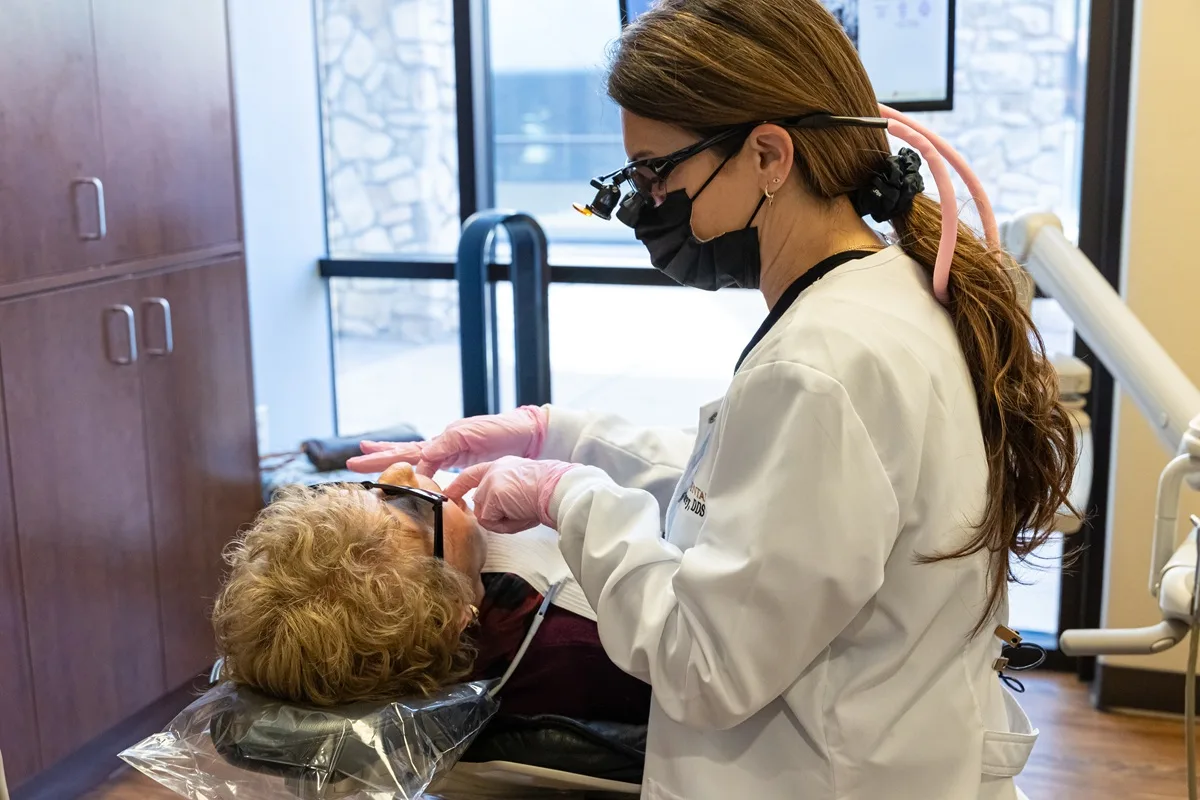
In this active Oro Valley community, where outdoor recreation is part of everyday life, dental injuries can happen when you least expect them. Whether it’s falling while biking along The Loop, getting into a collision during a youth baseball game at Naranja Park, or taking a misstep on a rocky trail near Pusch Ridge, mishaps can occur at any moment of time. What many people do not realize is that the first 30 minutes after a dental injury can have a major impact on whether a tooth can be saved and how smoothly recovery progresses.
When a tooth breaks, becomes loose, or gets knocked out entirely, panic often takes over. While some individuals head quickly to the emergency room, others assume the discomfort will fade and decide to wait until the next day. Unfortunately, delays can sometimes turn a manageable injury into a more complicated dental problem. Knowing exactly what steps to take immediately after an accident can help protect your oral health, reduce the risk of infection, and improve treatment outcomes
At Studio Dental, Dr. Athena Storey helps patients address urgent dental problems with prompt, personalized care. Drawing on real emergency dental situations encountered in practice, this guide explains what to do after a dental injury and when professional treatment should not be delayed. If you experience a dental emergency, call us right away for a personalized evaluation and timely care.
What are the Necessary Steps to Take After Experiencing a Dental Injury?
If you suffer a dental wound, stay calm, control any bleeding, and protect the injured area. Save any broken tooth fragments, keep a knocked-out tooth moist if possible, and seek professional dental care as soon as possible.
Immediate Action Checklist
- Stop bleeding with clean gauze or a clean cloth
- Rinse gently with lukewarm water
- Apply a cold compress to reduce swelling
- Save broken tooth fragments
- Preserve a knocked-out tooth properly
- Avoid chewing on the injured side
- Contact a dental office immediately
These simple steps can make a significant difference in preserving your oral health.
How Do You Know If a Dental Injury Is an Emergency?
A dental emergency involves damage to the teeth, gums, jaw, or surrounding tissues that requires prompt professional attention. Severe pain, swelling, bleeding, or tooth displacement should never be ignored.
Some injuries appear minor initially but worsen quickly. A small crack may extend deeper into the tooth. A loose tooth may indicate damage to the supporting structures beneath the gums.
Common dental emergencies include:
- Knocked-out teeth
- Cracked or fractured teeth
- Teeth pushed out of position
- Severe tooth pain after trauma
- Significant gum injuries
- Facial swelling
- Jaw injuries
- Persistent bleeding
When uncertain, it’s better to get the injury checked quickly.
What Should You Do During the First Hour After a Dental Injury?
The first hour is often the most important period after a dental injury. Managing bleeding, protecting damaged tissues, and seeking professional care can improve the likelihood of preserving natural teeth.
Control Bleeding
Place clean gauze over the area and apply gentle pressure. Most soft tissue injuries stop bleeding within several minutes. If bleeding continues or becomes excessive, immediate professional evaluation is necessary.
Clean the Area Carefully
Use lukewarm water to remove blood and debris. Avoid vigorous rinsing because aggressive swishing can disrupt clot formation and worsen tissue irritation.
Reduce Swelling
Apply a cold compress against the outside of the face for 15-minute intervals. Swelling often peaks within the first 24 to 48 hours after an injury. Avoid placing ice directly against the skin to prevent tissue damage.
Protect the Injured Area
Do not chew on the affected side. Avoid hard foods, crunchy snacks, and hot beverages until the injury has been evaluated.
What Should You Do If a Tooth Gets Knocked Out?
A knocked-out permanent tooth requires immediate action. Fast treatment provides the best opportunity for saving and successfully reattaching the tooth.
Handle the Tooth Correctly
Pick up the tooth by the crown, which is the visible portion normally seen above the gums. Never touch or scrub the root. The root contains delicate cells that play an important role in successful reimplantation.
Rinse Gently If Necessary
If dirt is present, briefly rinse the tooth with water. Do not scrub it, dry it, or wrap it in tissue.
Keep the Tooth Moist
Store the tooth in:
- Milk
- Saline solution
- A tooth preservation kit
- The inside of the cheek for cooperative adults
Avoid storing the tooth in plain water for extended periods.
If this situation occurs, contacting an emergency dentist in Oro Valley immediately can significantly improve the chances of preserving the natural tooth.
What If the Tooth Is Cracked, Chipped, or Broken?
Even a small fracture deserves professional evaluation. Cracks can extend deeper into the tooth than they appear and may expose sensitive internal structures.
Save any broken pieces if possible.
Then monitor for symptoms such as:
- Pain while chewing
- Temperature sensitivity
- Sharp edges
- Visible fractures
- Swelling around the tooth
Many patients are surprised to learn that fractures sometimes continue spreading for days or weeks after the original injury. Early treatment often prevents larger restorative problems later.
Can a Loose Tooth Be Saved?
In many cases, yes. A loose tooth may remain salvageable if evaluated and treated promptly.
When a tooth becomes loose after trauma, the periodontal ligament that supports the tooth may have been damaged.
Avoid:
- Constantly testing tooth movement
- Wiggling the tooth
- Biting down on the area
- Eating hard foods
Professional stabilization techniques may be used to support healing while the surrounding tissues recover.
Common Mistakes That Can Make a Dental Injury Worse
Many complications occur not because of the injury itself but because of improper handling afterward.
- Scrubbing a knocked-out tooth: Cleaning the tooth aggressively can damage critical cells needed for successful reattachment.
- Waiting because the pain is mild: Some nerve injuries develop gradually. A tooth may feel normal immediately after trauma but become painful weeks later.
- Placing aspirin directly on the gums: This outdated home remedy can cause chemical irritation and tissue damage.
- Returning to sports too soon: Additional impact can worsen fractures, loosen teeth further, or interfere with healing.
- Ignoring delayed symptoms: Discoloration, tooth sensitivity, swelling, or recurring discomfort may indicate internal tooth damage that requires treatment.
Why Dental Injuries Are Common During Active Lifestyles
Outdoor recreation and sports increase the likelihood of falls, collisions, and facial impacts that may damage teeth.
Many local residents enjoy activities such as:
- Cycling along The Loop
- Hiking near Pusch Ridge
- Exploring Honey Bee Canyon trails
- Youth baseball and softball leagues
- Pickleball and tennis
These activities contribute to healthy lifestyles, but they also increase the risk of accidental dental trauma.
Custom athletic mouthguards remain one of the most effective ways to reduce injury risk during recreational activities and organized sports.
When Should You Seek Professional Emergency Care?
Seek immediate dental attention when pain, bleeding, swelling, or tooth displacement occurs after an injury.
Call a dental office promptly if you experience:
- A knocked-out tooth
- Severe tooth pain
- A large fracture
- Persistent bleeding
- Facial swelling
- Difficulty biting normally
- A loose or displaced tooth
An emergency dentist in Oro Valley can evaluate hidden damage, assess tooth stability, identify nerve injuries, and recommend treatment before complications become more difficult to manage.
How Can You Reduce the Risk of Future Dental Injuries?
Prevention starts with preparation. Simple protective habits can significantly reduce the likelihood of serious dental trauma.
- Wear Protective Mouthguards: Athletic mouthguards absorb impact forces and help protect teeth during sports and recreational activities.
- Address Existing Dental Problems: Teeth weakened by decay, previous fractures, or large restorations may be more vulnerable to injury.
- Avoid Using Teeth as Tools: Opening packages or biting non-food objects increases fracture risk.
- Maintain Routine Dental Exams: Regular evaluations help identify potential weaknesses before they become larger concerns.
Get Emergency Dental Care Before Minor Damage Becomes a Bigger Problem
Dental injuries rarely improve without proper evaluation. Even when discomfort seems manageable, hidden cracks, nerve injuries, and damage beneath the gumline can continue progressing unnoticed. Early diagnosis often provides more treatment options and helps protect long-term oral health.
If you have suffered a dental injury, contact Studio Dental for a personalized diagnostic evaluation. The team can assess the affected area, determine the extent of the damage, and recommend treatment based on your specific oral health needs and anatomy.
Frequently Asked Questions
Can a chipped tooth become infected?
Yes. Deep chips can expose inner tooth structures to bacteria. Prompt evaluation helps determine whether protective treatment is necessary to prevent infection and preserve tooth health.
How long should swelling last after a dental injury?
Mild swelling often peaks within two days and gradually improves. Persistent or worsening swelling should be evaluated because it may indicate infection or deeper tissue damage.
Is a knocked-out baby tooth treated the same as an adult tooth?
No. Baby teeth are usually managed differently because reimplantation may affect developing permanent teeth. Professional evaluation is still important after any childhood dental injury.
Should I brush my teeth after a dental injury?
Yes, but carefully. Gentle brushing helps maintain cleanliness while avoiding additional trauma to injured teeth, gums, or surrounding tissues during the healing period.
Can a tooth die months after trauma?
Yes. Dental trauma can damage blood vessels inside the tooth. Symptoms may app