10550 N La Cañada Dr #106, Oro Valley, AZ 85737
A healthy tooth is designed to withstand years of chewing, biting, and everyday use. However, teeth don’t always remain strong throughout life. Large cavities, fractures, worn enamel, repeated dental work, or injuries can weaken a tooth and make it more likely to break. When this happens, simply placing a filling may not provide enough protection.
That’s where a dental crown comes in. A dental crown is one of the most reliable restorative treatments available because it covers the entire visible portion of a damaged tooth, helping restore its strength, function, and appearance. Rather than removing the tooth, a crown allows your dentist to preserve as much of your natural tooth as possible while protecting it from additional damage.
At Studio Dental – Athena Storey, DDS, located at 10550 N La Cañada Dr #106, Oro Valley, AZ 85737, Dr. Athena Storey provides custom dental crowns designed to restore both the health and beauty of your smile. Every crown is carefully crafted to blend naturally with your surrounding teeth while providing long-lasting durability.
What Is a Dental Crown?
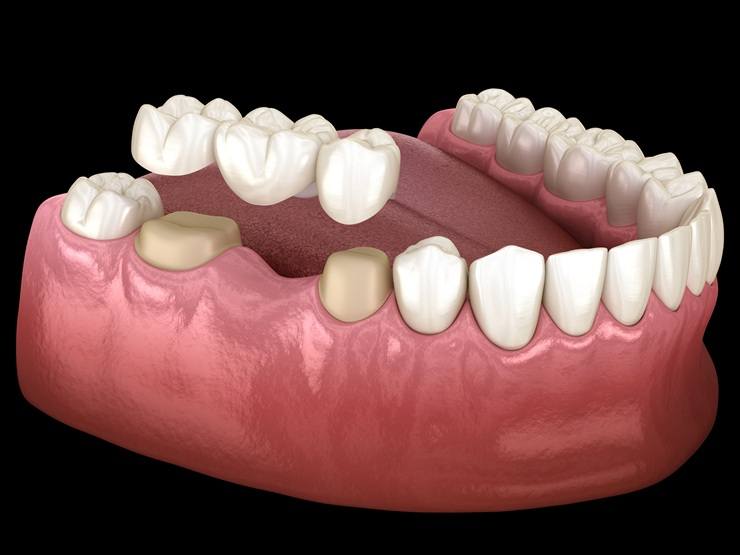
A dental crown is a custom-made cap that fits securely over a damaged or weakened tooth. Unlike a filling, which repairs only a portion of the tooth, a crown completely covers the visible structure above the gumline.
This full-coverage restoration helps reinforce the remaining natural tooth while restoring its original shape, size, and function. Modern crowns are made from durable materials such as porcelain, ceramic, zirconia, or porcelain fused to metal, allowing them to withstand everyday chewing while closely matching the appearance of natural teeth.
Because each crown is individually designed, it fits comfortably and functions much like your original tooth.
Why Teeth Become Weak or Damaged
Even though tooth enamel is the hardest substance in the human body, it isn’t indestructible. Over time, various conditions can compromise its strength.
Some of the most common causes include:
- Large cavities
- Cracked or fractured teeth
- Worn enamel from grinding
- Repeated fillings
- Trauma or sports injuries
- Teeth weakened after root canal treatment
- Age-related wear
- Acid erosion
When a tooth loses a significant amount of its structure, it becomes more vulnerable to cracking under normal biting pressure. Without proper protection, the damage can worsen and eventually require extraction.
How a Dental Crown Protects Your Tooth
One of the biggest advantages of a dental crown is that it surrounds the weakened tooth like a protective shield.
Instead of allowing chewing forces to concentrate on damaged areas, the crown distributes pressure more evenly across the entire tooth. This reduces stress on fragile portions of the remaining tooth structure.
By covering exposed surfaces, a crown also protects against:
- Additional fractures
- Everyday wear
- Bacterial invasion
- Temperature sensitivity
- Further decay in vulnerable areas
This added protection significantly increases the likelihood of preserving your natural tooth for many years.
When Does a Dentist Recommend a Dental Crown?
Not every damaged tooth requires a crown. Small cavities and minor chips can often be repaired with fillings or bonding.
However, your dentist may recommend a crown when a tooth has lost too much structure to remain stable on its own.
Common situations include:
After a Large Filling
Large fillings can weaken the remaining tooth walls. As chewing pressure increases over time, these thin walls may crack. A crown strengthens the entire tooth and reduces this risk.
Following Root Canal Treatment
A root canal removes infected tissue inside the tooth, but it also leaves the tooth more brittle. A crown protects the treated tooth from future fractures while restoring normal function.
Cracked Teeth
Small cracks can spread each time you bite down. Covering the tooth with a crown helps stabilize it and prevent the crack from worsening.
Broken Teeth
If a significant portion of the tooth has fractured, a crown restores both appearance and chewing ability.
Worn Teeth
Years of grinding or clenching can wear teeth down considerably. Crowns rebuild proper height and protect remaining tooth structure.
Dental Crowns Restore Natural Function
Damaged teeth often make everyday activities uncomfortable. Patients may avoid chewing on one side of the mouth or experience discomfort when eating certain foods.
A properly fitted dental crown restores your ability to:
- Bite comfortably
- Chew efficiently
- Speak clearly
- Maintain proper bite alignment
Because the crown is custom-made for your bite, it helps ensure even pressure across your teeth, reducing unnecessary strain on neighboring teeth and jaw muscles.
Dental Crowns Also Improve Appearance
While dental crowns are primarily restorative, they also provide impressive cosmetic benefits.
Today’s crowns are carefully designed to match the color, shape, and contours of your surrounding teeth. Modern ceramic and porcelain materials closely resemble natural enamel by reflecting light in a similar way.
A dental crown can improve:
- Tooth color
- Shape
- Size
- Overall symmetry
- Smile balance
Whether restoring a front tooth or a molar, the goal is to create a restoration that feels comfortable and looks completely natural.
What to Expect During the Dental Crown Process
Many patients are surprised by how straightforward the dental crown procedure is.
The process generally includes several steps:
Initial Examination
Dr. Athena Storey begins by evaluating the tooth with a clinical examination and digital X-rays to determine whether a crown is the most appropriate treatment.
Tooth Preparation
The damaged portions of the tooth are removed while preserving as much healthy structure as possible. The tooth is then carefully reshaped to allow room for the crown.
Digital Impressions
Precise impressions or digital scans are taken to create a crown that fits comfortably and accurately.
Temporary Crown
If a permanent crown is being fabricated by a dental laboratory, a temporary crown protects the prepared tooth until the final restoration is ready.
Final Placement
Once completed, the permanent crown is checked for proper fit, appearance, and bite before being securely bonded into place.
After placement, the crown functions much like a natural tooth.
Caring for Your Dental Crown
Although crowns are highly durable, they still require good oral hygiene and regular dental visits.
To help your crown last as long as possible:
- Brush twice daily with fluoride toothpaste.
- Floss carefully around the crown.
- Visit your dentist for regular cleanings.
- Avoid chewing ice or hard objects.
- Wear a nightguard if you grind your teeth.
- Maintain routine dental examinations.
With proper dental care, many dental crowns remain functional for 10 to 15 years or even longer.
Why Saving Your Natural Tooth Matters
Whenever possible, preserving your natural tooth is preferable to replacing it.
Keeping your natural tooth helps maintain:
- Jawbone support
- Proper chewing function
- Tooth alignment
- Bite stability
- Natural appearance
A dental crown allows your dentist to strengthen an existing tooth instead of removing it, making it one of the most conservative restorative treatments available.
Early treatment also helps prevent more extensive procedures that may become necessary if damage progresses.
Why Choose Studio Dental – Athena Storey, DDS?
Patients throughout Oro Valley trust Studio Dental – Athena Storey, DDS for comprehensive restorative dental care delivered with precision and compassion.
Dr. Athena Storey believes every patient deserves personalized treatment that supports both oral health and confidence. Whether you need a single dental crown or a more comprehensive restorative plan, every recommendation is based on your unique needs, goals, and long-term dental health.
Using modern technology and high-quality materials, the team creates custom crowns that are comfortable, durable, and designed to blend naturally with your smile.
Protect Your Smile Before Minor Damage Becomes a Major Problem
A weak or damaged tooth doesn’t always cause immediate pain, but that doesn’t mean it’s healthy. Left untreated, small cracks or weakened areas can worsen over time, increasing the risk of severe fractures, infection, or tooth loss.
Dental crowns offer a proven way to restore strength, protect your natural tooth, and improve the appearance of your smile. Seeking treatment early often means simpler care and better long-term outcomes.
If you have a cracked, heavily filled, or weakened tooth, don’t wait for it to become a dental emergency. Schedule an appointment with Dr. Athena Storey at Studio Dental in Oro Valley today. Our experienced team is here to evaluate your tooth, discuss your treatment options, and help you protect your smile for years to come.
Frequently Asked Questions
1. How do I know if I need a dental crown instead of a filling?
A dental crown is usually recommended when a tooth has lost a significant amount of its structure or is at risk of breaking. Your dentist will evaluate the tooth and recommend the most appropriate treatment.
2. How long does a dental crown last?
With good oral hygiene and regular dental checkups, many crowns last between 10 and 15 years, and some last even longer.
3. Is getting a dental crown painful?
The procedure is generally comfortable because the tooth is numbed before treatment. Mild soreness afterward usually resolves within a few days.
4. Can a dental crown look like a natural tooth?
Yes. Modern porcelain and ceramic crowns are custom-made to closely match the color, shape, and appearance of your surrounding natural teeth.
5. Can I eat normally after getting a dental crown?
Yes. Once your permanent crown is securely placed and any initial sensitivity has resolved, you can return to eating most of your favorite foods while avoiding habits like chewing ice or other extremely hard objects.