10550 N La Cañada Dr #106, Oro Valley, AZ 85737
Adults may assume protective tooth coatings are mainly for children. However, adults can also develop decay in the deep grooves of their back teeth. These areas can trap food particles and plaque even with regular brushing.
At Studio Dental – Athena Storey, DDS, based in Oro Valley, Dr. Storey evaluates each tooth to determine whether added protection may help. For some adults, dental sealants in Oro Valley can provide an extra barrier against bacteria and food debris on vulnerable chewing surfaces. They are preventive, meaning they are designed to reduce future risk rather than repair existing tooth damage. If you frequently develop cavities, have deep grooves in your molars, or find certain areas difficult to keep clean, understanding how sealants work can help you make a more informed decision about your oral health.
Can Adults Get Dental Sealants?
Yes, adults can receive dental sealants when their teeth are suitable for the procedure. Age alone does not determine whether someone can benefit from them.
A dentist will usually consider the condition of the tooth, its history of decay, the depth of its grooves, and the patient’s overall risk of tooth decay.
Adults who may benefit include people who:
- Have deep pits and fissures in their molars
- Frequently develop cavities
- Have back teeth that are difficult to clean
- Have healthy molars without major restorations
- Need additional preventive protection
- Have a history of decay despite consistent home care
The decision should always follow a dental examination because every tooth has a different condition and risk level.
Why Are Adult Molars Vulnerable to Tooth Decay?
Molars have natural grooves called pits and fissures. These grooves help you chew food, but some can be narrow, making it difficult for toothbrush bristles to reach.
Plaque can remain inside these areas. Bacteria in plaque use sugars and carbohydrates from food and produce acids. Repeated acid exposure can weaken tooth enamel and eventually cause decay.
Several factors can increase an adult’s risk, including:
- Frequent snacking or sugary drinks
- Inconsistent brushing and flossing
- Dry mouth
- Deep grooves in back teeth
- Previous tooth decay
- Certain medications that reduce saliva
- Difficulty cleaning specific teeth
Preventive dentistry focuses on identifying these risks before significant tooth damage develops.
Do Sealants Treat Cavities That Already Exist?
No, a sealant is primarily a preventive treatment. It should not be viewed as a substitute for a filling or another restoration when a tooth already has decay that requires treatment.
If cavities are already present, the dentist must first determine how far the decay has progressed. Treatment may involve a filling, crown, or another procedure depending on the amount of tooth structure affected.
This distinction is important. Prevention protects vulnerable tooth surfaces. Restorative dentistry repairs damage that has already occurred.
How Do Sealants Protect Adult Teeth?
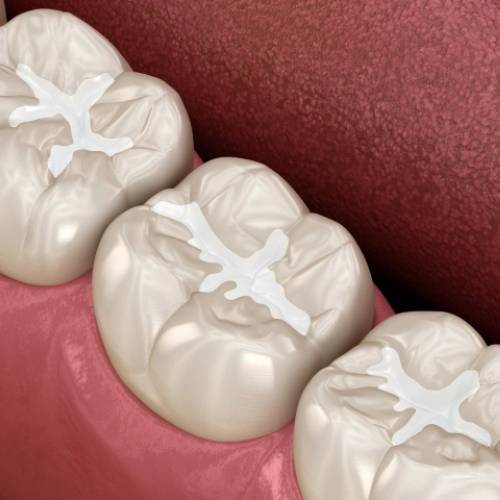
A sealant creates a thin protective layer over the chewing surface of a molar or premolar. It covers vulnerable pits and fissures where plaque and food debris can collect.
At our practice in Oro Valley, Dr. Storey can examine the chewing surfaces and determine whether dental sealants are appropriate for an adult’s current oral health needs.
The procedure is generally straightforward. The tooth is cleaned and prepared before the sealant material is applied. The material then hardens, forming a protective barrier over the grooves.
This barrier does not replace brushing, flossing, fluoride exposure, professional cleanings, or routine dental exams. Instead, it works alongside these preventive measures.
Who May Benefit Most From Dental Sealants?
Adults with healthy but highly grooved molars may be strong candidates. The treatment can be particularly useful when anatomy makes certain chewing surfaces difficult to clean effectively.
A dentist may also consider factors such as:
- Caries risk: A history of recurring decay may indicate greater future risk.
- Enamel condition: Healthy tooth structure is important when considering preventive protection.
- Existing restorations: Large fillings or crowns may change whether a sealant is appropriate.
- Oral hygiene: Plaque control remains essential after treatment.
- Saliva production: Dry mouth can increase decay risk because saliva helps neutralize acids.
A professional caries risk assessment can help determine whether this preventive option adds meaningful protection.
What Are the Benefits for Adults?
For the right patient, dental sealants can support long-term preventive care by protecting difficult-to-clean chewing surfaces.
Potential benefits include:
- Creating a barrier over deep grooves
- Reducing places where plaque can accumulate
- Supporting enamel protection
- Providing another layer of cavity prevention
- Complementing fluoride treatment and daily oral hygiene
- Helping protect vulnerable molars before significant decay develops
The material can wear over time. Routine dental visits allow the dentist to check its condition and determine whether repair or reapplication is appropriate.
Can You Still Get Cavities After Getting a Sealant?
Yes, a protected chewing surface does not make the entire tooth immune to decay. Cavities can still form between teeth, near the gumline, around restorations, or in other unprotected areas.
Continue brushing twice daily with fluoride toothpaste and cleaning between your teeth every day. Regular dental exams also help identify early changes that may not cause pain or other noticeable symptoms.
Limiting frequent sugar exposure can further support enamel health.
Are Dental Sealants Necessary for Every Adult?
No, not every adult needs them. Someone with shallow tooth grooves, low decay risk, or extensively restored molars may receive little benefit. Another person with deep fissures and recurrent cavities may have a greater need for preventive care.
That is why the decision should be based on an individual dental examination rather than age alone.
Protect Your Smile With Preventive Care in Oro Valley
Preventing decay is usually easier than repairing tooth structure after damage has progressed. Adults with deep molar grooves, recurring decay, or difficult-to-clean chewing surfaces should consider discussing preventive options with their dentist.
Studio Dental – Athena Storey, DDS can assess your teeth, review your risk factors, and determine whether dental sealants in Oro Valley should be part of your preventive care plan. To take a proactive approach to protecting your smile, book an appointment at the Oro Valley dental office. Call us to schedule your visit.
Frequently Asked Questions
No, a protective coating is mainly used to prevent decay from developing on vulnerable chewing surfaces. Existing decay needs to be evaluated first. A dentist can determine whether a filling or another restorative procedure is required.
Its lifespan varies depending on chewing forces, tooth position, oral habits, and material wear. Dentists check the coating during routine exams. Worn or damaged areas may need repair or reapplication.
The procedure is generally comfortable because it usually does not require removing healthy tooth structure. The tooth is cleaned and prepared before the protective material is placed. Your dentist can explain each step before treatment begins.
They may benefit when decay risk involves deep grooves on otherwise suitable back teeth. However, recurring decay can have several causes. A dental examination helps identify those causes and determine which preventive measures are appropriate.