10550 N La Cañada Dr #106, Oro Valley, AZ 85737

Few things can disrupt your day like a severe toothache. The throbbing discomfort can make it difficult to eat, sleep, concentrate, or even enjoy conversations with family and friends. When tooth pain becomes intense and persistent, it may be a sign that the inner portion of your tooth has become infected or inflamed. Fortunately, modern root canal treatment offers a highly effective solution.
At Studio Dental in Oro Valley, AZ, Dr. Athena Storey and Dr. Alexis Alexander help patients find lasting relief from dental pain while preserving their natural smiles. Understanding how root canal treatment works can help you feel more confident if your dentist recommends this procedure.
Why Does Severe Tooth Pain Happen?
To understand why a root canal Therapy may be necessary, it helps to know a little about tooth anatomy.
Beneath the hard outer enamel and dentin layers lies a soft tissue called the pulp. This pulp contains nerves, blood vessels, and connective tissues that help the tooth develop. When bacteria reach the pulp through deep decay, cracks, trauma, or repeated dental procedures, infection and inflammation can occur.
As pressure builds inside the tooth, you may experience symptoms such as:
- Persistent tooth pain
- Sharp pain when chewing
- Sensitivity to hot or cold temperatures
- Swollen or tender gums
- Tooth discoloration
- A pimple-like bump on the gums
In many cases, these symptoms indicate that the pulp cannot heal on its own and requires professional treatment.
What Is Root Canal Treatment?
Root canal treatment is a restorative dental procedure designed to remove infected or damaged pulp from inside the tooth. Once the infected tissue is removed, the inside of the tooth is carefully cleaned, disinfected, and sealed to prevent future infection.
Contrary to common misconceptions, root canal therapy is not intended to cause discomfort—it is designed to eliminate pain and save your natural tooth.
Modern dental techniques, advanced technology, and effective anesthesia have transformed root canal treatment into a comfortable procedure that many patients compare to receiving a routine dental filling.
How Does a Root Canal Stop Severe Tooth Pain?
Many people assume the procedure itself is painful, but the reality is quite the opposite.
The source of root canal pain is usually the infected nerve tissue inside the tooth. As long as that infected tissue remains, discomfort often continues and may worsen over time.
During treatment, your dentist removes the infected pulp and eliminates the source of inflammation. Once the damaged nerve tissue is gone, the pressure and irritation causing your pain are relieved.
Patients frequently report feeling significant relief shortly after treatment because the infection is no longer affecting the tooth’s internal structures.
If you’ve been struggling with severe tooth pain, scheduling an appointment today with your dentist can help you find relief before the condition worsens.
Saving Your Natural Tooth Matters
One of the biggest advantages of root canal treatment is that it allows you to keep your natural tooth.
While tooth extraction may sometimes be necessary, preserving a natural tooth whenever possible is generally the preferred option. Your natural teeth are uniquely designed to support proper chewing, speaking, and alignment within your smile.
Keeping your original tooth offers several benefits:
Better Chewing Function
Natural teeth provide superior strength and stability when biting and chewing. Saving the tooth helps maintain normal function and comfort during meals.
Preserved Jawbone Health
When a tooth is lost, the surrounding jawbone may begin to shrink over time due to lack of stimulation. Retaining the natural tooth helps maintain bone structure and oral health.
Preventing Teeth from Shifting
Missing teeth can allow neighboring teeth to drift out of position. This movement may create bite problems and increase the risk of future dental complications.
Maintaining a Natural Appearance
Saving your own tooth allows you to preserve the look and feel of your natural smile while avoiding gaps that can affect confidence.
What Happens During a Root Canal Procedure?
Knowing what to expect can help ease anxiety about treatment.
Step 1: Comprehensive Evaluation
Your dentist will examine the affected tooth and take digital X-rays to determine the extent of the infection.
Step 2: Comfortable Numbing
A local anesthetic is administered to ensure the area remains comfortable throughout the procedure.
Step 3: Removal of Infected Tissue
A small opening is created in the tooth, allowing access to the infected pulp. The damaged tissue is carefully removed.
Step 4: Cleaning and Disinfection
The root canals are thoroughly cleaned and disinfected to eliminate bacteria and reduce the risk of reinfection.
Step 5: Sealing the Tooth
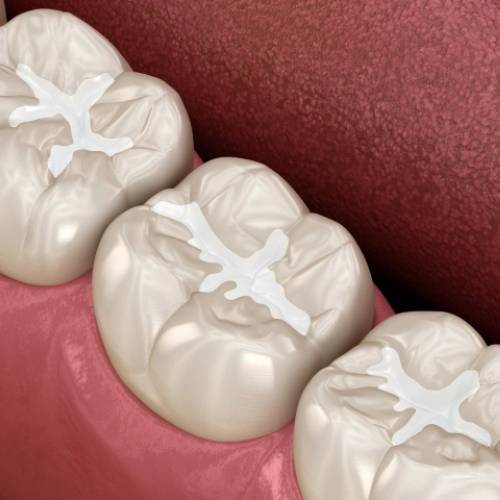
The cleaned canals are filled with a specialized material and sealed to protect the tooth.
Step 6: Final Restoration
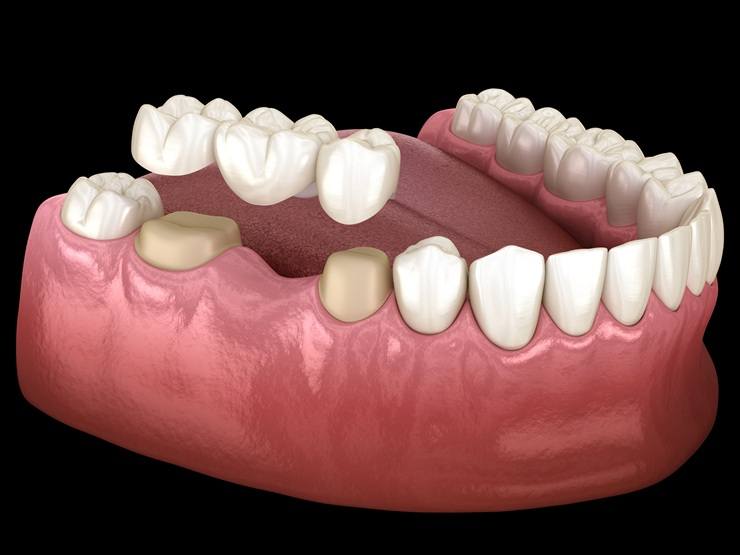
In many cases, a dental crown is recommended to strengthen and protect the treated tooth, restoring both function and appearance.
Signs You May Need a Root Canal
While not every toothache requires root canal therapy, certain symptoms should never be ignored.
You should contact your dentist if you experience:
- Severe or lingering tooth pain
- Pain when chewing or biting
- Prolonged sensitivity to hot or cold foods
- Swelling around a tooth
- Darkening or discoloration of a tooth
- Persistent gum tenderness
- Recurring dental abscesses
Prompt treatment can prevent the infection from spreading and help save the affected tooth.
If you’re experiencing any of these symptoms, schedule an appointment today with your dentist for a thorough evaluation.
What Happens If You Delay Treatment?
Ignoring an infected tooth rarely makes the problem go away.
In fact, untreated infections often continue to spread. What begins as localized inflammation can eventually affect surrounding tissues, neighboring teeth, and even the jawbone.
Potential consequences of delaying treatment include:
- Increased pain and discomfort
- Larger dental infections
- Formation of abscesses
- Bone loss around the tooth
- Greater treatment costs
- Eventual tooth loss
Seeking care early often leads to simpler treatment and better long-term outcomes.
Recovery After Root Canal Treatment
Recovery is typically straightforward for most patients.
Some mild tenderness may occur for a few days following the procedure, especially if significant infection was present beforehand. Over-the-counter pain medications are often sufficient to manage temporary soreness.
Most patients can return to their normal activities shortly after treatment.
To support healing:
- Follow your dentist’s instructions carefully.
- Avoid chewing on the treated tooth until restoration is complete.
- Maintain excellent oral hygiene habits.
- Attend recommended follow-up appointments.
With proper care, a root canal-treated tooth can remain healthy and functional for many years.
Trust Studio Dental for Compassionate Root Canal Care in Oro Valley, AZ
Severe tooth pain can affect every aspect of your life, but you don’t have to live with the discomfort. Root canal treatment is a safe, effective way to eliminate infection, relieve pain, and preserve your natural tooth.
At Studio Dental in Oro Valley, AZ, Dr. Athena Storey and Dr. Alexis Alexander are committed to providing comfortable, patient-focused care using modern dental techniques. Whether you’re experiencing persistent tooth pain or have been told you may need a root canal, their team is here to help you protect your oral health and restore your peace of mind.
Don’t wait for tooth pain to worsen. Schedule an appointment today with Studio Dental and take the first step toward lasting relief and a healthier smile.
FAQs About Root Canal Treatment
Is a root canal painful?
Modern root canal treatment is designed to relieve pain, not cause it. Most patients report that the procedure feels similar to getting a dental filling.
How long does a root canal procedure take?
Most root canal treatments can be completed in one or two visits, depending on the complexity of the tooth and the extent of the infection.
Can a root canal save my natural tooth?
Yes. Root canal therapy removes infection while preserving the natural tooth structure, helping you avoid extraction whenever possible.
How do I know if I need a root canal?
Common signs include severe tooth pain, prolonged sensitivity to hot or cold temperatures, swelling, tenderness, and tooth discoloration.