10550 N La Cañada Dr #106, Oro Valley, AZ 85737
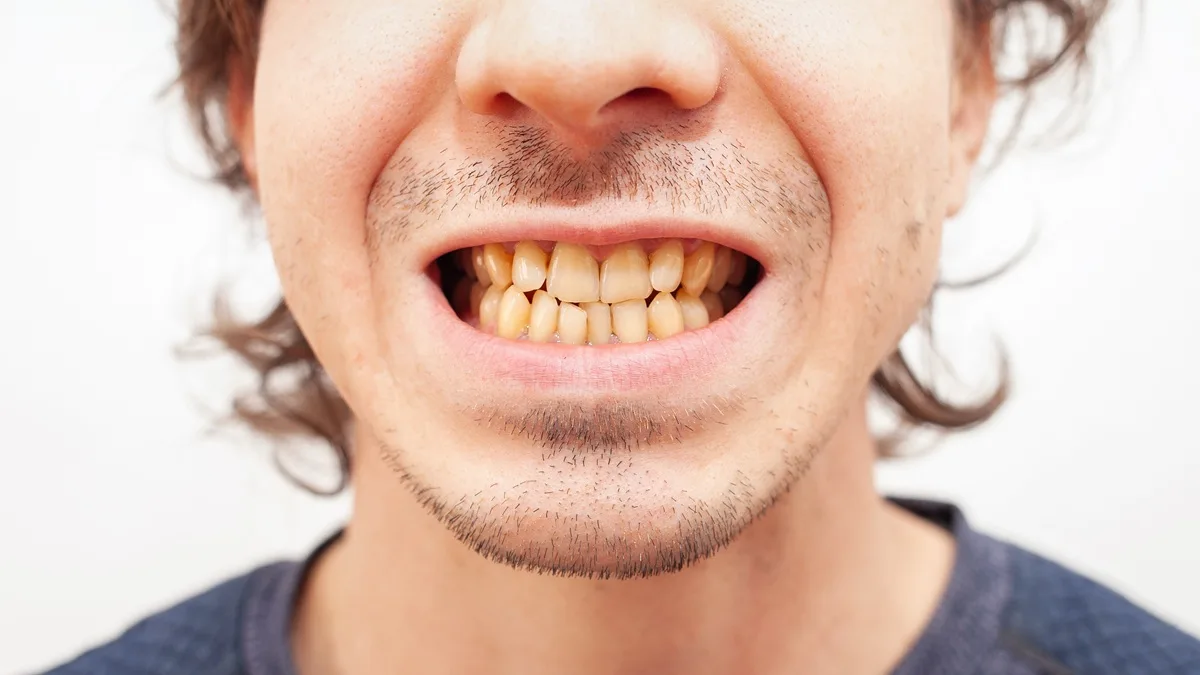
You brush twice a day, rinse after meals, and try to take care of your teeth—yet when you look in the mirror, your smile still appears yellow. If this sounds familiar, you are not alone. Many people assume yellow teeth automatically mean poor oral hygiene, but that is not always true. In fact, some patients with excellent brushing habits still struggle with tooth discoloration.
At Studio Dental, Dr. Athena Storey and Dr. Alexis Alexander help patients in Oro Valley, AZ understand the causes of tooth discoloration and explore safe cosmetic and preventive solutions for a healthier-looking smile. Yellow teeth can develop for many different reasons, and brushing alone may not always remove the underlying cause.
If you have been wondering why your teeth still look yellow despite brushing every day, understanding the science behind tooth color can help you determine what is normal, what may need treatment, and which options may help brighten your smile safely.
Tooth Color Is Not Naturally Pure White
One of the biggest misconceptions about healthy teeth is that they should always appear bright white. In reality, natural tooth color varies from person to person.
Teeth contain multiple layers. The outer layer, called enamel, is naturally semi-translucent. Beneath the enamel is dentin, which has a more yellow or ivory tone.
For some individuals, the dentin naturally shows through the enamel more noticeably than others. This means a person may have perfectly healthy teeth that still appear slightly yellow.
Genetics play a major role in:
- Enamel thickness
- Natural tooth shade
- Dentin color
- Overall smile appearance
Some people are simply born with teeth that appear warmer or darker in tone even when they maintain excellent oral hygiene habits.
Brushing Removes Plaque, Not Deep Stains
Brushing is essential for oral health because it removes plaque, bacteria, and food debris from the teeth. However, brushing alone cannot always remove deeper stains embedded within the tooth structure.
Many discoloration problems develop below the enamel surface due to:
- Aging
- Diet
- Tobacco use
- Medications
- Natural enamel thinning
Even the best toothbrush cannot completely erase internal discoloration.
Some patients become frustrated because they expect whitening results simply from brushing harder or more often. Unfortunately, aggressive brushing may actually wear down enamel over time and make yellow dentin more visible.
Healthy brushing habits help protect the teeth, but they are not always enough to reverse discoloration completely.
Foods and Drinks Can Stain Teeth Gradually
One of the most common reasons teeth become yellow is exposure to staining foods and beverages over many years.
Dark-colored drinks contain pigments that attach to the enamel surface, including:
- Coffee
- Tea
- Red wine
- Cola
- Sports drinks
Certain foods may also contribute to staining over time, especially when combined with acidic ingredients that soften enamel slightly.
Even healthy foods such as berries or tomato sauces may gradually affect tooth color after repeated exposure.
Many patients in Oro Valley enjoy coffee during busy mornings or iced tea throughout Arizona’s warmer seasons, which can slowly contribute to external staining even when brushing regularly.
Aging Naturally Changes Tooth Color
As people get older, their teeth naturally become darker or more yellow. This happens because enamel gradually becomes thinner over time.
Years of chewing, brushing, and acidic exposure slowly wear away small amounts of enamel. As enamel thins, the darker dentin layer underneath becomes easier to see.
This process is completely normal and affects nearly everyone to some degree.
Aging may also increase:
- Surface stains
- Tiny enamel cracks
- Tooth dehydration
- Dentin thickening
All of these changes can influence how light reflects from the teeth, making them appear less bright than they did years earlier.
Smoking and Tobacco Use Accelerate Yellowing
Tobacco products are among the leading causes of stubborn tooth discoloration.
Nicotine and tar create deep stains that attach strongly to the enamel surface. Over time, tobacco stains often penetrate deeper into the tooth structure, making them more difficult to remove with brushing alone.
Smoking may also contribute to:
- Bad breath
- Gum disease
- Plaque buildup
- Increased tartar accumulation
Even patients who brush consistently may struggle to maintain a bright smile if tobacco use continues regularly.
Professional cleanings and cosmetic whitening treatments are often needed to address long-term tobacco staining effectively.
Some Medications Can Change Tooth Color
Many people are surprised to learn that certain medications may affect tooth shade.
Some prescription medications can contribute to discoloration either during tooth development or later in adulthood.
Examples may include:
- Certain antibiotics
- Blood pressure medications
- Antihistamines
- Chemotherapy treatments
In some cases, the discoloration develops internally, meaning it cannot simply be brushed away.
Medical history often plays an important role when evaluating cosmetic whitening options.
Poor Enamel Health Can Make Teeth Look More Yellow
Even when patients brush daily, weakened enamel can sometimes make teeth appear darker.
Enamel erosion may result from:
- Acidic foods and drinks
- Acid reflux
- Teeth grinding
- Aggressive brushing
- Dry mouth
As enamel becomes thinner, the yellow dentin underneath becomes more noticeable.
Ironically, brushing too aggressively in an attempt to whiten the teeth may sometimes worsen discoloration over time by gradually wearing the enamel surface.
Gentle brushing with a soft-bristled toothbrush is usually safer and more effective for protecting long-term enamel health.
Whitening Toothpaste Has Limitations
Whitening toothpaste can help reduce minor surface stains, but many patients expect results beyond what these products can realistically provide.
Most whitening toothpastes primarily work by:
- Polishing the enamel surface
- Removing mild surface stains
- Using mild abrasives
They do not usually change the internal color of the teeth significantly.
Some whitening toothpastes may also be too abrasive if used excessively, especially for patients with sensitive teeth or thinning enamel.
Patients who want more noticeable whitening often require professional cosmetic treatment rather than relying solely on over-the-counter products.
Professional Dental Cleanings Make a Difference
Sometimes teeth appear yellow because plaque and tartar buildup have accumulated gradually over time.
Professional cleanings remove hardened deposits that brushing cannot eliminate at home. Many patients notice their teeth look noticeably brighter after a routine dental cleaning alone.
Preventive cleanings also help identify:
- Early cavities
- Gum disease
- Enamel wear
- Areas of excessive staining
Maintaining regular dental visits is one of the most effective ways to support both oral health and smile appearance.
Patients who visit Studio Dental office in Oro Valley, AZ often discover that a combination of preventive care and cosmetic evaluation produces the best long-term results.
Professional Teeth Whitening Can Help Brighten Stains
For patients bothered by yellow discoloration, professional teeth whitening may help improve the appearance of the smile safely and effectively.
Professional whitening treatments work by using carefully controlled bleaching agents to break apart stain molecules within the enamel and dentin layers.
Compared to many over-the-counter products, professional whitening often provides:
- More even results
- Faster improvement
- Customized treatment plans
- Reduced gum irritation
- Better sensitivity management
However, whitening results vary depending on the cause of discoloration.
Some deep stains respond better than others, which is why professional evaluation is important before beginning cosmetic treatment.
Not All Yellow Teeth Need Whitening
Sometimes discoloration signals an underlying dental concern rather than a cosmetic issue alone.
Yellowing may occasionally result from:
- Enamel erosion
- Tooth decay
- Worn restorations
- Dry mouth
- Internal tooth damage
In these situations, simply whitening the teeth may not address the true problem.
Comprehensive dental evaluations help determine whether discoloration is purely cosmetic or connected to oral health concerns requiring treatment.
At Studio Dental, patients receive personalized evaluations designed to identify the root cause of tooth discoloration before cosmetic recommendations are made.
Daily Habits That Help Maintain a Brighter Smile
Although brushing alone may not completely prevent yellowing, healthy habits still play an important role in maintaining a cleaner and brighter smile over time.
Patients can help reduce staining by:
- Brushing twice daily
- Flossing consistently
- Drinking water after dark beverages
- Avoiding tobacco products
- Scheduling routine cleanings
- Using soft-bristled toothbrushes
Small habits performed consistently often make a larger long-term difference than aggressive whitening attempts.
Maintaining healthy enamel is just as important as achieving a brighter shade.
Personalized Cosmetic Care Matters
Every smile is different. Some patients struggle with mild surface stains, while others experience deep intrinsic discoloration related to aging, medications, or enamel changes.
At Studio Dental, your dentist in Oro Valley, Dr. Athena Storey and Dr. Alexis Alexander provide personalized cosmetic and preventive care tailored to each patient’s smile goals and oral health condition.
Rather than recommending one-size-fits-all whitening solutions, the team carefully evaluates enamel health, tooth sensitivity, existing restorations, and the type of discoloration affecting the smile.
This individualized approach helps patients achieve natural-looking improvements while protecting long-term oral health.
A Healthy Smile Is More Than Just Color
Yellow teeth do not always mean poor hygiene, and perfectly white teeth are not necessarily healthier than naturally ivory-colored teeth. Tooth color is influenced by genetics, aging, lifestyle habits, enamel thickness, diet, and many other factors that brushing alone cannot always control.
Understanding why teeth appear yellow despite daily brushing can help patients make more informed decisions about preventive care and cosmetic treatment options.
At Studio Dental, the team is committed to helping patients in Oro Valley, AZ maintain healthy, confident smiles through personalized dental care and cosmetic guidance.
If you are concerned about yellow teeth or want to explore professional whitening options, schedule appointment today with your dentist in Oro Valley for full dental evaluation and discover the best treatment plan for your smile.
FAQs About Yellow Teeth Despite Daily Brushing
Why are my teeth yellow even though I brush every day?
Teeth can appear yellow due to aging, genetics, enamel thinning, staining foods, tobacco use, or deep discoloration that brushing alone cannot remove.
Can brushing too hard make teeth look more yellow?
Yes. Aggressive brushing may wear down enamel over time, allowing the naturally yellow dentin underneath to become more visible.
Do whitening toothpastes really work?
Whitening toothpastes may help remove minor surface stains, but they usually cannot significantly change deep or age-related discoloration.
Can professional teeth whitening brighten yellow teeth safely?
Yes. Professional whitening treatments are designed to safely reduce stains and brighten teeth while protecting enamel and minimizing sensitivity.
Should I see a dentist if my teeth suddenly become more yellow?
Yes. Sudden discoloration may sometimes indicate enamel erosion, decay, medication effects, or other dental concerns that require evaluation.