10550 N La Cañada Dr #106, Oro Valley, AZ 85737
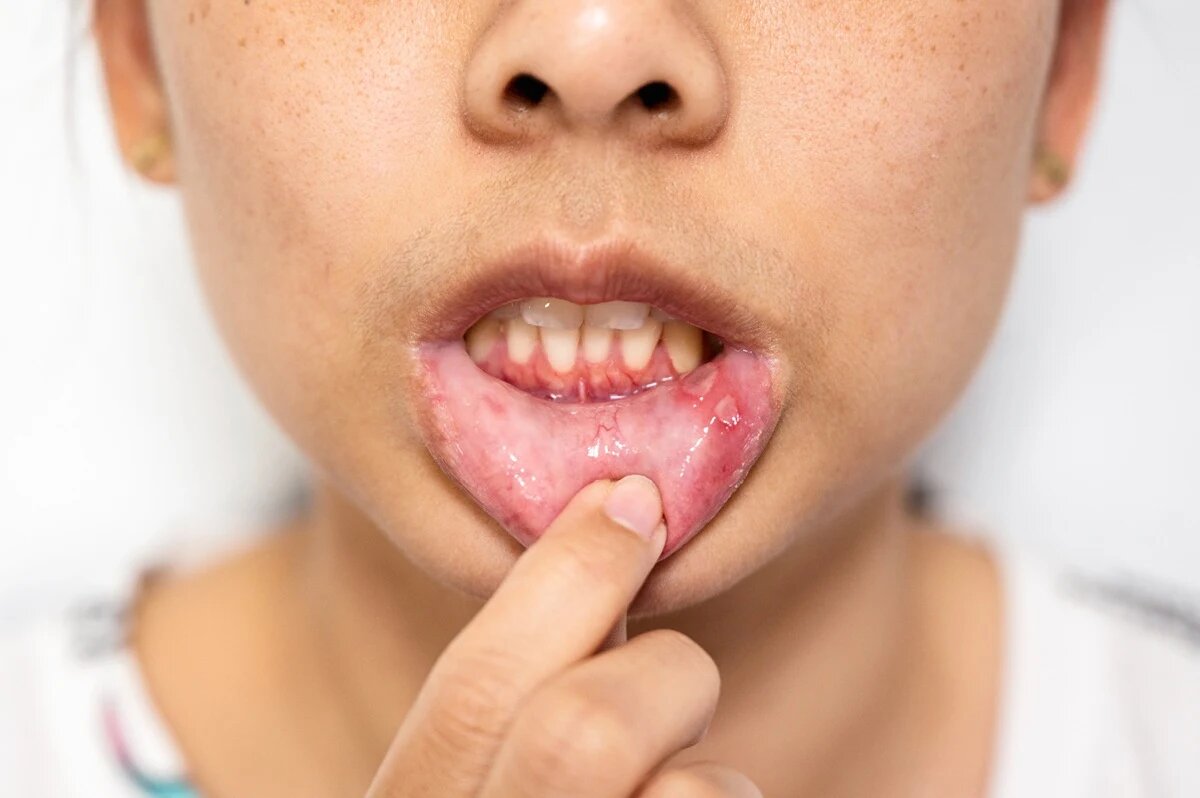
Discovering an unexpected lesion, spot, or discoloration inside your mouth can naturally cause concern. White patches can develop anywhere across the oral mucosa, including on the tongue, inner cheeks, gums, floor of the mouth, or the roof of your palate. While many white lesions are benign and clear up with simple treatments or routine hygiene adjustments, others require professional evaluation to rule out pre-cancerous conditions or chronic systemic issues.
Understanding what causes these lesions and knowing which symptoms warrant a closer look is an essential part of maintaining your long-term oral health. As a trusted dentist in Oro Valley, our practice, Studio Dental – Athena Storey, DDS, led by Dr. Athena Storey and Dr. Alexis Alexander, is committed to providing thorough oral health evaluations, advanced diagnostics, and compassionate, personalized care to help keep your smile healthy and comfortable.
Understanding Oral Mucosa and White Lesions
The inside of your mouth is lined with a delicate protective barrier known as the oral mucosa. Under healthy conditions, this tissue appears pink, smooth, and moist. However, when the mucosa experiences trauma, infection, autoimmune reactions, or cellular changes, it often responds by thickening or changing color.
When tissue thickens or accumulates excess keratin (the protein found in skin and nails), light reflects differently off the surface, making the area appear as a white patch. Some white lesions are superficial and can be gently wiped away, while others are fixed firmly to the underlying tissue. Identifying whether a spot wipes off or remains firmly attached is one of the very first physical characteristics we evaluate during a clinical examination.
Common Causes of White Patches in the Mouth
There are several distinct conditions that can lead to white patches or spots inside the oral cavity. Here is an overview of the primary causes we encounter in clinical practice:
Oral Thrush (Candidiasis)
Oral thrush is a fungal infection caused by an overgrowth of Candida albicans, a yeast organism that naturally lives in small amounts inside the mouth.
- Appearance: Creamy white, raised lesions that often resemble cottage cheese on the tongue, inner cheeks, roof of the mouth, or throat.
- Key Characteristic: Unlike many other white patches, oral thrush lesions can usually be wiped away, revealing a red, tender, or slightly bleeding surface underneath.
- Common Triggers: Use of inhaled corticosteroids, recent courses of broad-spectrum antibiotics, dry mouth (xerostomia), wearing dentures, or underlying immune system changes.
Oral Lichen Planus
Oral lichen planus is a chronic, non-contagious inflammatory condition driven by an immune system response targeting the oral mucosal cells.
- Appearance: It frequently presents as lacy, web-like white threads or patches (known as Wickham’s striae) on the inside of the cheeks, gums, or tongue.
- Key Characteristic: It can be non-painful (reticular form) or present with painful erosions and redness (erosive form). It cannot be wiped away and may wax and wane over time.
Leukoplakia
Leukoplakia refers to thick, hardened white patches that form on the gums, inside of the cheeks, the bottom of the mouth, or the tongue.
- Appearance: Flat or slightly raised, firm, gray-white patches that cannot be scraped off.
- Key Characteristic: Leukoplakia is primarily caused by chronic mucosal irritation. While many cases are benign, leukoplakia is classified as a potentially precancerous lesion, meaning it requires expert monitoring and occasional biopsy to ensure cellular changes remain benign.
Canker Sores (Aphthous Ulcers)
While primarily known as painful open ulcers, canker sores feature a distinct white, light yellow, or grayish center surrounded by a bright red, inflamed border.
- Appearance: Small, round or oval sores on non-keratinized tissue (like the inside of the lips, cheeks, or under the tongue).
- Key Characteristic: Canker sores are sensitive to acidic or spicy foods and typically heal on their own within 7 to 14 days without leaving scars.
Geographic Tongue (Benign Migratory Glossitis)
Geographic tongue occurs when smooth, red patches devoid of papillae develop on the surface of the tongue, bordered by raised white or light-colored wavy borders.
- Appearance: Map-like patterns that change location, shape, and size over days or weeks.
- Key Characteristic: This condition is completely harmless, non-contagious, and often asymptomatic, though spicy or acidic foods may occasionally cause mild burning.
Physical Trauma and Frictional Keratosis
Just as your skin develops a callus in response to repeated friction, your mouth creates excess protein tissue to protect itself from chronic irritation.
- Common Causes: Habitual cheek biting, sharp broken teeth, ill-fitting dentures, or rough edges on old dental restorations.
- Appearance: A localized, thickened white patch corresponding exactly to the area experiencing friction. Resolves once the source of irritation is eliminated by a skilled dentist in Oro Valley.
Signs to Watch For: When Should You Seek Professional Care?
While many white spots are temporary responses to minor injuries or transient infections, certain warning signs require prompt evaluation by a professional. Schedule an oral screening if you observe any of the following:
- Persistence Beyond 14 Days: Any white spot or patch that does not fade or heal within two weeks should be clinically evaluated.
- Inability to Scrape off the Patch: Patches that are firmly fixed to the tissue and cannot be wiped off require diagnostic assessment.
- Associated Pain or Bleeding: Spontaneous bleeding, severe soreness, or discomfort while chewing or swallowing.
- Changes in Texture: Hardened, raised, rough, or pebbly surface textures developing within the patch.
- Red and White Mixed Lesions (Erythroleukoplakia): Patches that feature interspersed red and white areas carry a higher risk profile and require immediate inspection.
- Lumps or Tissue Thickening: Any unexplained swelling or palpable lump underneath the patch or nearby neck lymph nodes.
Risk Factors Associated with White Oral Lesions
Certain lifestyle factors and medical circumstances increase the likelihood of developing oral mucosal lesions. Identifying these factors helps us tailor preventive plans during your routine checkups:
- Tobacco Use: Smoking cigarettes, cigars, pipes, or using smokeless chew/dip directly irritates oral tissue and is the primary driver of leukoplakia.
- Alcohol Consumption: Frequent, heavy alcohol intake irritates the oral lining and works synergistically with tobacco to increase risk.
- Chronic Dry Mouth: Saliva cleanses the oral cavity and balances microbes. Reduced salivary flow increases susceptibility to thrush and mucosal irritation.
- Poorly Fitting Dental Appliances: Rough edges on dentures, partials, or retainers cause repetitive friction.
- Nutritional Deficiencies: Lack of essential nutrients such as iron, folate, or vitamin B12 can affect mucosal health.
How Oral Lesions Are Diagnosed and Treated
When you visit us with a target area of concern, our diagnostic process is systematic, gentle, and thorough:
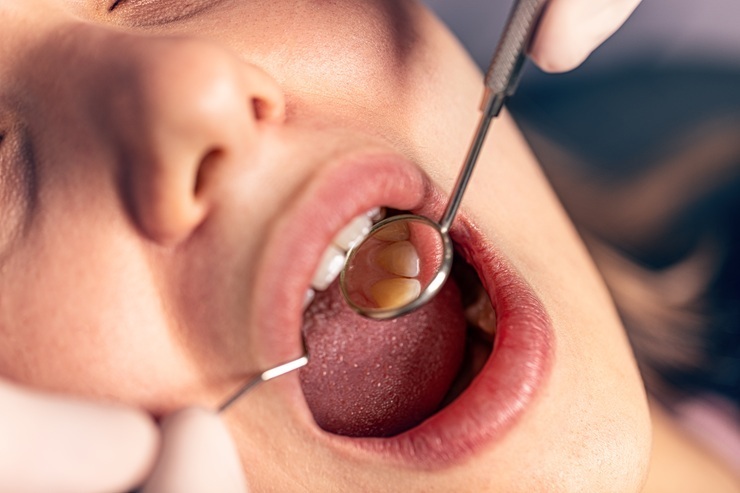
- Comprehensive Clinical Examination: We examine the lesion’s color, texture, location, and borders, and check whether it wipes away.
- Health and Lifestyle Review: We evaluate your medical history, medications, and recent illnesses or dietary changes.
- Targeted Diagnostic Testing: If oral thrush is suspected, a tissue swab may confirm fungal spores. For persistent, fixed white patches like leukoplakia, a small tissue biopsy may be performed or coordinated to get an exact pathological diagnosis.
- Tailored Treatment Plans:
- For Thrush: Antifungal oral rinses or lozenges.
- For Frictional Keratosis: Smoothing a sharp tooth, repairing a broken restoration, or adjusting denture borders.
- For Lichen Planus: Topical corticosteroid rinses to manage discomfort during flare-ups.
- For Precancerous Lesions: Surgical removal or close monitoring with ongoing visual screenings.
Partnering with an experienced dentist in Oro Valley ensures that any changes inside your mouth are detected early, providing peace of mind and effective solution paths.
Preventive Oral Care Strategies
Maintaining strong oral tissue and preventing mucosal issues relies on consistent, everyday habits:
- Maintain Consistent Hygiene: Brush twice daily with a soft-bristled brush, floss daily, and gently clean your tongue.
- Rinse After Inhaler Use: If you use steroid inhalers for asthma or COPD, rinse your mouth with water and spit immediately afterward to prevent thrush.
- Care for Dentures Properly: Remove dentures at night, clean them thoroughly, and soak them in an antimicrobial solution to eliminate yeast build-up.
- Avoid Tobacco and Moderate Alcohol: Protecting your mouth from harsh chemical irritants drastically lowers the risk of leukoplakia and oral cancer.
- Keep Up with Bi-Annual Examinations: Regular oral health visits allow us to spot subtle tissue changes long before they turn into noticeable problems.
Whether you need a routine checkup or specialized care, relying on a knowledgeable dentist in Oro Valley keeps your teeth and surrounding mucosal tissues in optimal health.
Prioritize Your Oral Health with Our Professional Care
While many white patches in the mouth turn out to be harmless responses to temporary irritation or mild fungal infections, any unexplained tissue change warrants professional attention. Paying close attention to how long a spot lasts, whether it wipes away, and any accompanying discomfort is key to catching potential issues early. Regular dental checkups serve as your best defense, ensuring that subtle mucosal changes are identified and evaluated long before they develop into serious complications.
If you have noticed an unfamiliar white spot, persistent sore, or any tissue changes inside your mouth, do not wait to get the clarity and peace of mind you deserve. Contact us today to schedule your comprehensive oral exam.
Frequently Asked Questions
Ans: A white patch is concerning if it lasts longer than two weeks, cannot be scraped off, bleeds, hurts, or feels hardened. Persistent, non-wipeable patches require professional diagnostic evaluation to rule out precancerous changes.
A: Yes, severe emotional or physical stress can weaken your immune system, triggering conditions like oral thrush flare-ups, painful canker sores, or autoimmune inflammatory responses like oral lichen planus across mucosal tissues.
A: Oral thrush is generally not considered highly contagious among healthy adults because Candida yeast is already naturally present in most mouths. However, it can pass between nursing mothers and infants or immunocompromised individuals.
A: Yes, many leukoplakia patches caused by tobacco irritation resolve or shrink significantly after complete tobacco cessation. However, your dentist must evaluate and monitor the tissue during and after quitting to confirm resolution.