10550 N La Cañada Dr #106, Oro Valley, AZ 85737
Have you ever finished brushing your teeth, glanced at the sink, and noticed a little pink in the foam? Maybe your gums bleed when you floss, too, or you wake up with a strange taste in your mouth. It’s easy to brush it off as no big deal, especially if there’s no pain.
But here’s the thing: healthy gums generally shouldn’t bleed during routine brushing. If you regularly notice blood on your toothbrush, your gums may be trying to tell you something.
The good news is that many causes of bleeding gums are manageable with the right care. Let’s look at what’s behind the bleeding, what you can do at home, and when it’s time to call your dentist.
1. Plaque Buildup and Gingivitis
One of the most common reasons your gums bleed while brushing is gingivitis, the earliest stage of gum disease. It develops when plaque, a sticky film of bacteria, builds up along your gumline.
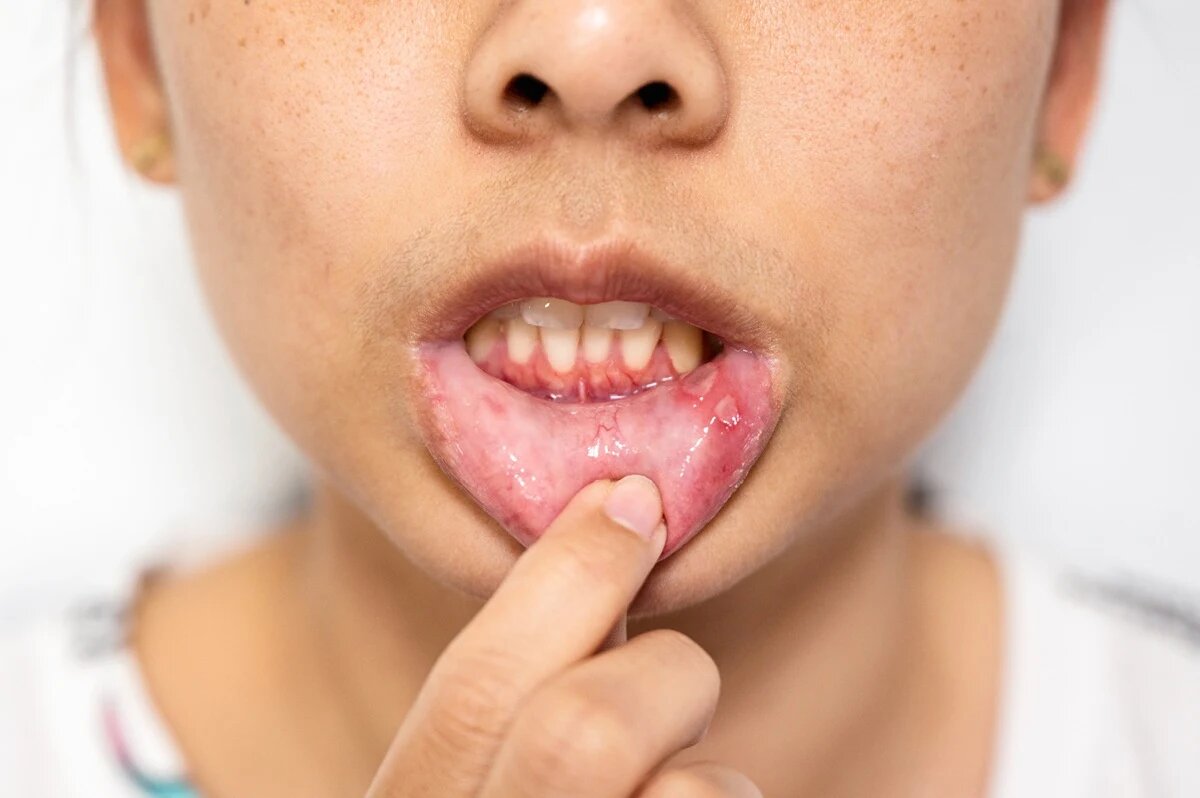
When plaque isn’t removed regularly, it irritates the surrounding gum tissue. Your gums may become red, swollen, tender, and more likely to bleed when you brush or floss.
The tricky part? Gingivitis doesn’t always hurt. You might feel perfectly fine while inflammation quietly develops around your teeth.
The encouraging news is that gingivitis is often reversible with consistent brushing, daily flossing, and professional dental cleanings. Catching it early can help prevent more serious gum problems down the road.
2. Brushing Too Hard or Using the Wrong Toothbrush
Think brushing harder means cleaner teeth? Not necessarily! Scrubbing aggressively can irritate your gums and may contribute to gum recession over time.
A hard-bristled toothbrush or excessive pressure can be especially rough on sensitive gum tissue. You don’t need to scrub your teeth like you’re cleaning a stubborn stain off the kitchen counter.
Instead, use a soft-bristled toothbrush and gentle, circular motions. Brush for two minutes, twice a day, using fluoride toothpaste.
An electric toothbrush with a pressure sensor may also help if you tend to brush too forcefully.
Quick question: When was the last time you replaced your toothbrush? If the bristles are frayed or flattened, it’s probably time for a new one.
3. You May Not Be Flossing Often Enough
If you only reach for floss when something gets stuck between your teeth, you’re not alone. But skipping flossing allows plaque and food particles to accumulate in places your toothbrush can’t reach.
When you start flossing again, your gums may bleed because the tissue between your teeth is already inflamed. This is especially common if you’ve gone a while without cleaning those areas.
The solution isn’t to stop flossing. Gentle, consistent flossing once a day can help remove plaque and reduce gum inflammation.
If you’re new to flossing, take it slow. Slide the floss between your teeth, curve it around each tooth, and move it gently beneath the gumline without snapping it against the tissue.
If bleeding continues after about a week or two of consistent, gentle cleaning, schedule a dental appointment to have your gums checked.
4. Other Reasons Your Gums Might Bleed
Plaque and brushing habits aren’t the only possible causes of bleeding gums. Sometimes, changes elsewhere in your body or certain medications can play a role.
Here are a few other possibilities:
- Hormonal changes: Pregnancy, puberty, and hormonal fluctuations can make gums more sensitive to plaque.
- Certain medications: Blood thinners and some other medications can increase bleeding or affect gum health.
- Smoking or tobacco use: Tobacco can affect gum health and healing, sometimes making inflammation less obvious.
- Nutritional deficiencies: Significant deficiencies in nutrients such as vitamin C or vitamin K can contribute to bleeding.
- Other medical conditions: Certain blood disorders and systemic illnesses can also cause unusual gum bleeding.
If bleeding started after beginning a new medication or occurs alongside other unexplained symptoms, talk with your healthcare provider. Don’t stop prescribed medication on your own.
5. When Should You See a Dentist?
A little bleeding might not seem urgent, but recurring bleeding deserves attention. Gum disease can progress without obvious pain, and waiting until your gums hurt may mean the problem has become more advanced.
If you notice persistent bleeding, bad breath that won’t go away, swollen gums, gum recession, or loose teeth, it’s time to schedule an examination.
Experiencing bleeding gums in Oro Valley? Visit our dental office located at 10550 N La Cañada Dr #106, Oro Valley, AZ 85737, USA . At Studio Dental, our team can evaluate your gums, identify possible causes, and recommend care tailored to your needs.
If you experience heavy or spontaneous bleeding, bleeding that won’t stop, or bleeding accompanied by significant swelling, fever, or feeling unwell, seek prompt medical or dental attention.
6. How to Keep Your Gums Healthy at Home
The best way to prevent bleeding gums is to build a routine you can actually stick with. You don’t need fancy products or an elaborate oral care regimen. A few everyday habits can make a real difference.
Try this simple checklist:
- Brush twice daily for two minutes with a soft-bristled toothbrush.
- Floss or clean between your teeth once a day.
- Use fluoride toothpaste to protect against cavities.
- Drink water regularly and limit sugary snacks and drinks.
- Keep up with regular dental exams and professional cleanings.
And remember, don’t avoid brushing an area just because it bleeds. Gentle cleaning is important for removing the plaque that may be causing the inflammation in the first place.
Give Your Gums the Attention They Deserve
Bleeding gums aren’t something you should simply accept as part of brushing your teeth. Whether the cause is plaque buildup, brushing too aggressively, or another underlying issue, identifying it early can help protect your teeth and gums.
At Studio Dental, we’re here to help you maintain a healthy, comfortable smile. If your gums have been bleeding regularly, schedule a dental visit and let our team help you get to the bottom of it.
Your smile deserves healthy gums, too!