10550 N La Cañada Dr #106, Oro Valley, AZ 85737
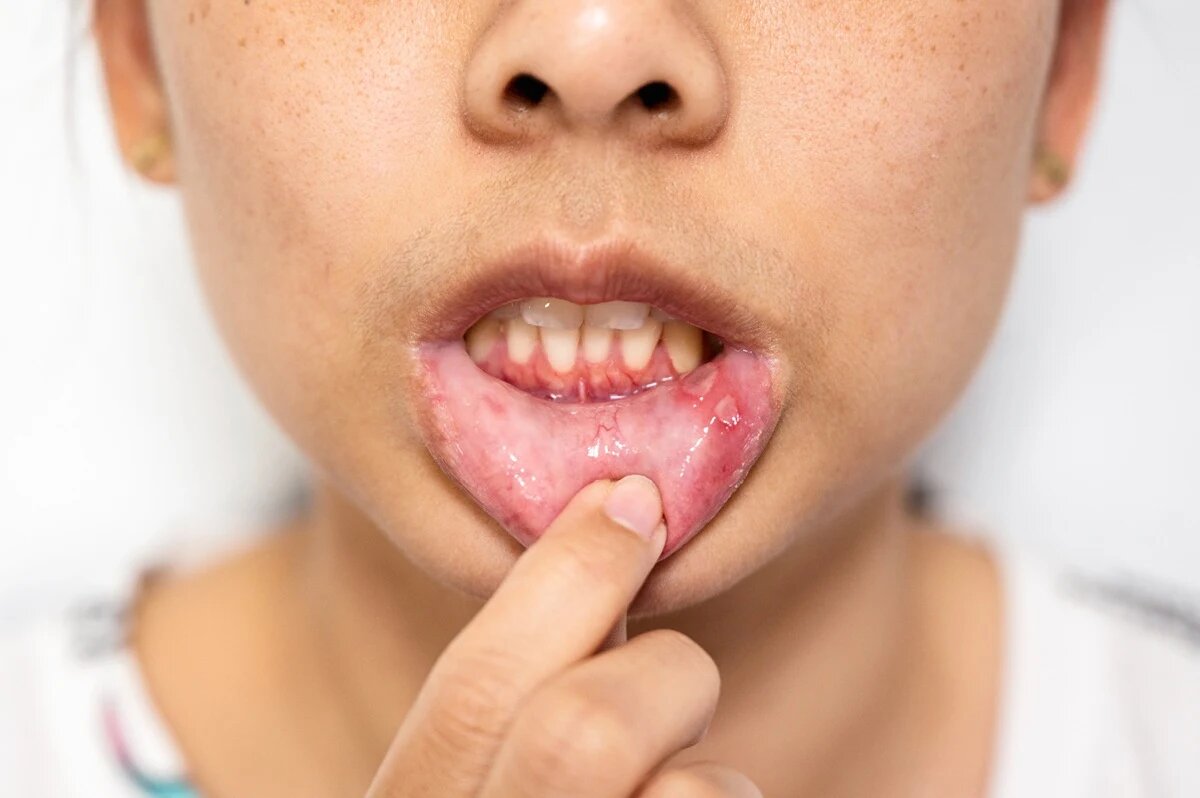
Have you noticed a little blood in the sink after brushing or flossing? While it may seem minor, bleeding gums are not something you should ignore. Healthy gums should not bleed during your daily oral care routine. In many cases, bleeding gums are an early sign that your mouth needs extra attention, whether it’s improving your brushing habits or seeking professional dental care.
The good news is that bleeding gums are often treatable, especially when addressed early. By understanding the causes and taking the right steps, you can protect your gums, improve your oral health, and reduce the risk of more serious dental problems.
Why Do Gums Bleed?
Bleeding gums usually occur because the gum tissue has become irritated or inflamed. The most common reason is plaque buildup along the gumline. Plaque is a sticky film of bacteria that develops on your teeth every day. If it isn’t removed through regular brushing and flossing, it can harden into tartar, making it even more difficult to clean your teeth properly.
As bacteria continue to collect, your gums become inflamed and may bleed during brushing, flossing, or even while eating certain foods. While plaque is the leading cause, several other factors can contribute to bleeding gums.
Common Causes of Bleeding Gums
Understanding the cause is the first step toward finding the right treatment. Some of the most common reasons include:
Gingivitis
Gingivitis is the earliest stage of gum disease. It develops when plaque irritates the gums, causing redness, swelling, tenderness, and bleeding. Fortunately, gingivitis is reversible with professional dental care and consistent oral hygiene.
Periodontal Disease
If gingivitis is left untreated, it can progress into periodontal disease. At this stage, the infection affects the tissues and bone supporting your teeth, increasing the risk of tooth loss. Bleeding gums are often one of the earliest warning signs.
Brushing Too Aggressively
Brushing your teeth with excessive force or using a toothbrush with hard bristles can irritate your gums and cause bleeding. Gentle brushing with a soft-bristled toothbrush is both safer and more effective.
Inconsistent Flossing
Many people notice slight bleeding when they first begin flossing regularly. This usually occurs because the gums are already inflamed. With consistent flossing, healthy gums often become stronger, and the bleeding decreases.
Certain Medical Conditions or Medications
Some medications, including blood thinners, may increase the likelihood of bleeding gums. Certain health conditions and hormonal changes can also affect gum health.
Signs That Bleeding Gums Need Professional Attention
Occasional bleeding may improve with better oral hygiene, but some symptoms suggest it’s time to schedule a dental appointment. Watch for:
- Persistent bleeding that lasts several days
- Red, swollen, or tender gums
- Bad breath that doesn’t go away
- Receding gums
- Loose teeth
- Pain while chewing
- Pus around the gumline
These symptoms may indicate gum disease that requires professional treatment.
How to Stop Bleeding Gums
Improving your gum health starts with a combination of excellent home care and professional dental visits.
Brush Your Teeth Properly
Brush your teeth twice each day using a soft-bristled toothbrush and fluoride toothpaste. Hold the toothbrush at a 45-degree angle toward the gumline and use gentle circular motions rather than scrubbing back and forth.
Brushing for at least two minutes helps remove plaque before it has the chance to cause irritation.
Floss Every Day
Flossing removes plaque and food particles from areas your toothbrush cannot reach. Although your gums may bleed initially if you’ve skipped flossing for a while, regular flossing often leads to healthier gums within a few weeks.
Consistency is the key to seeing improvement.
Use an Antibacterial Mouthwash
An antibacterial mouth rinse can help reduce harmful bacteria that contribute to gum inflammation. Ask your dentist which mouthwash is best for your specific needs.
Stay Hydrated
Drinking plenty of water helps wash away food debris and bacteria while supporting healthy saliva production. Saliva plays an important role in protecting your teeth and gums from harmful bacteria.
Eat a Balanced Diet
Your gums need proper nutrition to stay healthy. Include foods rich in:
- Vitamin C
- Vitamin D
- Calcium
- Leafy green vegetables
- Fresh fruits
- Lean proteins
A balanced diet helps support your immune system and promotes healthy gum tissue.
Avoid Tobacco Products
Smoking and tobacco use significantly increase the risk of gum disease and slow the healing process. Quitting tobacco can greatly improve your gum health and overall wellness.
The Importance of Professional Dental Cleanings
Even with excellent brushing and flossing, plaque can harden into tartar that cannot be removed at home. Professional dental cleanings eliminate tartar buildup and reduce the bacteria that contribute to gum disease.
Routine dental cleanings also allow your dentist to detect early signs of gum problems before they become more serious.
Regular preventive care is one of the most effective ways to maintain healthy gums and avoid costly dental treatments later.
How Dentists Treat Bleeding Gums
The right treatment depends on the underlying cause of the bleeding.
Professional Dental Cleaning
For mild gingivitis, a thorough professional cleaning is often enough to remove plaque and tartar while allowing the gums to heal.
Scaling and Root Planing
If gum disease has progressed below the gumline, your dentist may recommend scaling and root planing. This deep cleaning procedure removes bacteria and smooths the tooth roots, helping the gums reattach to the teeth.
Personalized Home Care Recommendations
Your dentist may recommend changes to your brushing technique, oral hygiene routine, or dental products to better protect your gums.
Ongoing Monitoring
Patients with gum disease often benefit from more frequent dental visits to monitor healing and prevent future problems.
Everyday Habits That Keep Your Gums Healthy
Healthy gums require consistent daily care. Small habits can make a significant difference over time.
Make it a priority to:
- Brush twice every day.
- Floss once daily.
- Replace your toothbrush every three to four months.
- Limit sugary snacks and drinks.
- Drink plenty of water.
- Schedule routine dental checkups.
- Avoid smoking and tobacco use.
These simple habits help reduce plaque buildup and support healthier gums for years to come.
Can Bleeding Gums Affect Your Overall Health?
Your oral health is closely connected to your overall well-being. Research continues to show links between untreated gum disease and several health conditions, including heart disease, diabetes, and certain inflammatory disorders.
Although gum disease does not directly cause these conditions, chronic inflammation in the mouth may contribute to overall health concerns. Maintaining healthy gums is an important part of caring for your entire body.
When Should You Visit the Dentist?
If your gums continue to bleed despite improving your oral hygiene routine, don’t wait for the problem to become worse.
Early treatment often prevents gum disease from progressing and helps preserve your natural teeth. Prompt dental care also allows your dentist to identify any underlying issues that may be contributing to the bleeding.
If you’ve noticed persistent bleeding, swollen gums, or ongoing discomfort, it’s time to visit Studio Dental – Athena Storey, DDS office in Oro Valley, AZ. Dr. Athena Storey and the caring team are committed to helping patients maintain healthy gums through personalized preventive care and comprehensive dental treatment.
Protect Your Gums for a Healthier Future
Bleeding gums may seem like a small problem, but they are often your body’s way of telling you that your gums need attention. The sooner you address the cause, the easier it is to restore your oral health and prevent more serious complications.
Daily brushing, flossing, healthy eating, and regular professional dental visits all play an essential role in keeping your gums healthy. By taking proactive steps today, you can enjoy stronger gums, healthier teeth, and greater confidence in your oral health.
Whether you need a routine dental cleaning or treatment for gum disease, Dr. Athena Storey and the team at Studio Dental – Athena Storey, DDS are here to help you achieve and maintain a healthy smile. Schedule an appointment today to receive personalized care and take the first step toward healthier gums and lasting oral health.
Frequently Asked Questions
No. Healthy gums generally should not bleed. Bleeding is often an early sign of gum inflammation caused by plaque buildup or improper oral hygiene.
Mild gum inflammation may improve with consistent brushing, flossing, and professional dental cleanings. However, persistent bleeding should be evaluated by a dentist.
If caused by gingivitis, many people notice improvement within one to two weeks after maintaining good oral hygiene and receiving a professional cleaning.
A soft-bristled toothbrush is typically recommended because it cleans effectively while being gentle on sensitive gum tissue.